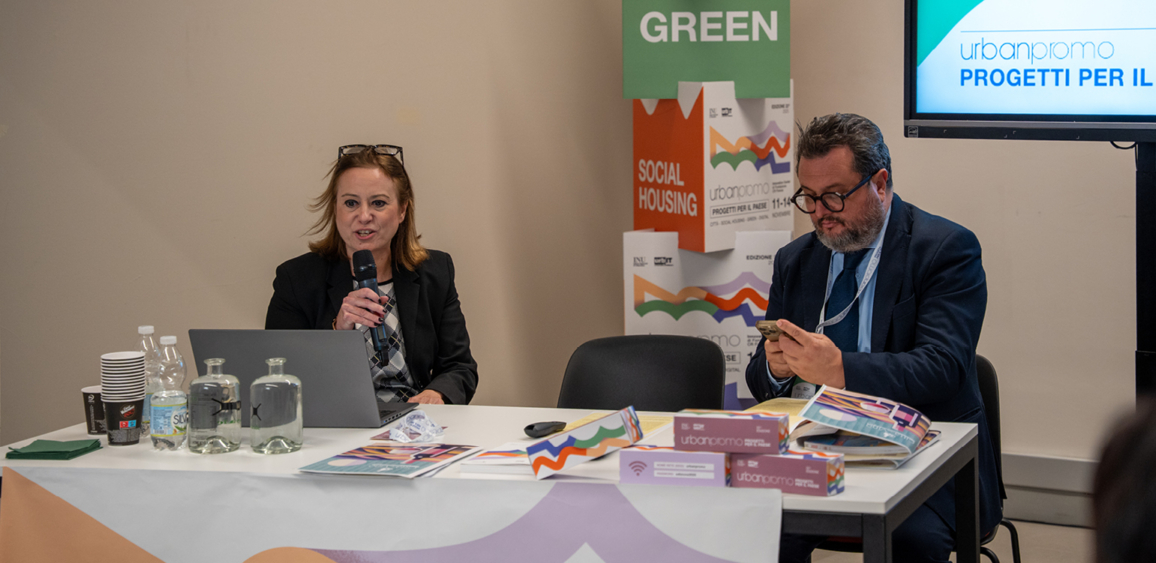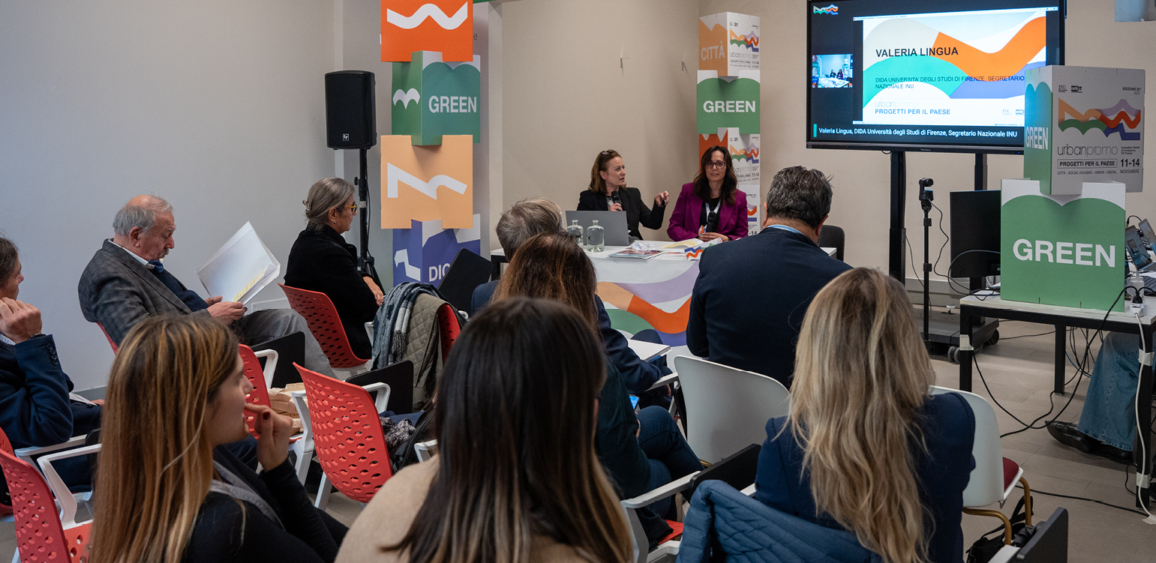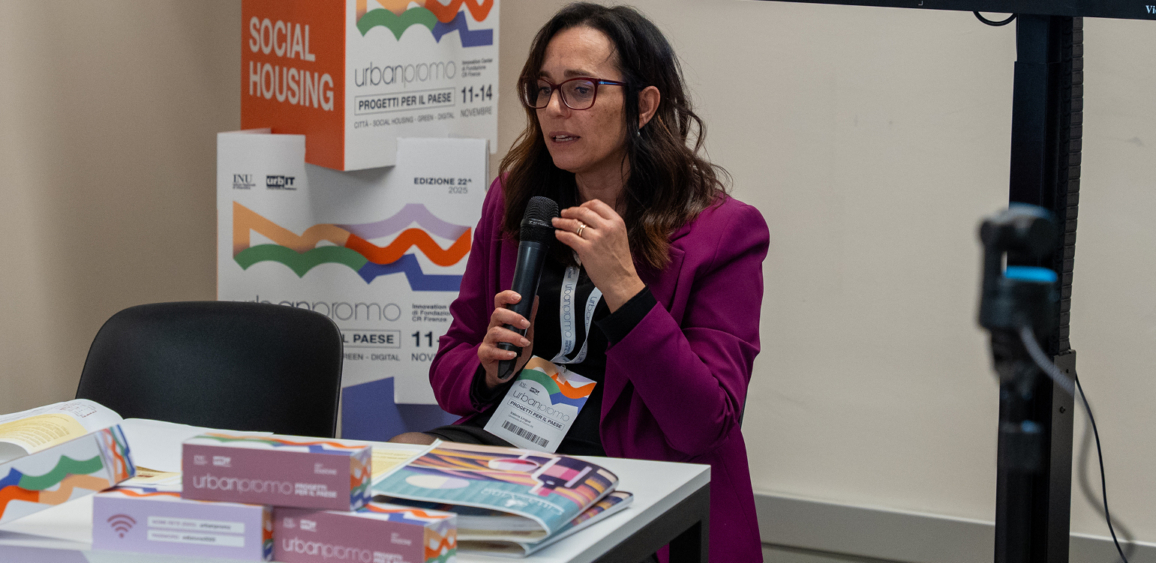
Iole Piscolla, Associazione Nazionale Città del Vino – ANCV, Valeria Lingua, Università degli Studi di Firenze, Dipartimento di Architettura – DIDA
We are in a transitional phase in which people’s behaviour is changing; narratives are changing, determining dynamics that affect the product market and related supply chains, with repercussions also at the local level.
Furthermore, wine prices pose a problem of accessibility for certain segments of the population. On the one hand, price increases preclude access for certain segments of the population who turn to large retailers, and for whom quality products are only purchased on rare occasions. On the other hand, there is the issue of quality and the low value of products in large retailers.
Finally, there is the issue of access to wine tourism, an important industry in Italy. Wine tourism has involved small and medium-sized businesses that offer hospitality, tastings on the estate, dinners in the vineyard, etc., but with a market distorted by ever-higher prices: how can we prevent these industries from dying out in inland areas and smaller contexts that see this experiential tourism as an element of development?
In general, rising prices, new traffic regulations that encourage healthier behaviour, and a reduction in wine-related behaviour define a transition phase in which it becomes useful for Wine Cities to structure their thinking on these issues.
Accessibility to food and wine is therefore defined in different ways: territorial, in terms of the redistribution of access rights and niche products, and safe access.
With this conference, Città del Vino aims to place these issues at the centre of the debate, also revisiting the ten commandments proposed in the book published by Città del Vino in 2017, edited by Cavallo, Marin, Di Donato and Corchia (Towards agricultural and food planning. A development hypothesis for wine cities, FrancoAngeli), in order to update the ideas of that time to the current moment of transition and guide municipalities towards a more conscious and sustainable approach to food and wine, in line with changes in collective behaviour.
PROGRAMME
14:30 Start of proceedings
Introduction
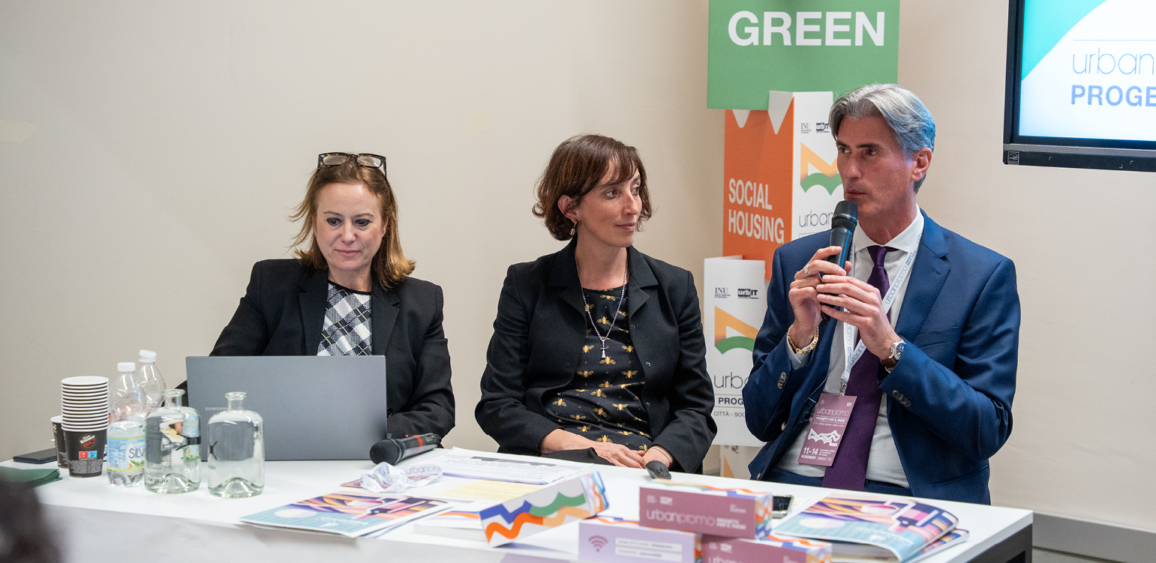
Angelo Radica, Mayor of Tollo (CH), President of the National Association of Wine Cities
Stefano Stanghellini, Honorary President of INU
Speeches
‘Agricultural and food planning in the Wine Cities guidelines’
Valeria Lingua, DIDA University of Florence, National Secretary of INU
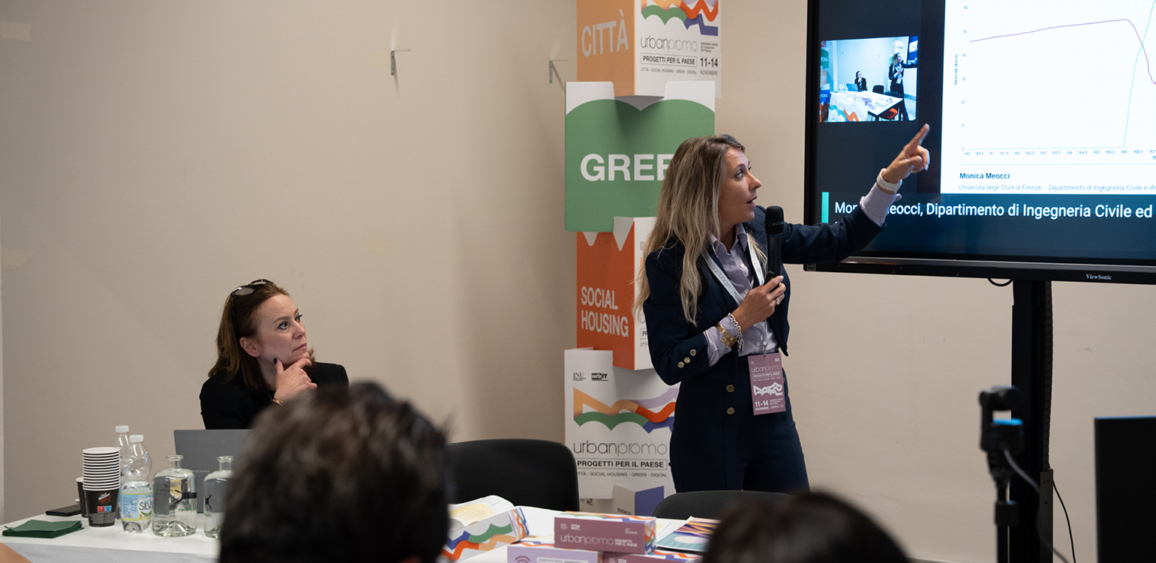
‘Presentation of the Radar Project: Response to Alcohol and Driving Analysis Research (RADAR)’
Monica Meocci, Department of Civil and Environmental Engineering, University of Florence
‘Presentation of Valdichiana4Green, an experimental project selected as part of FUTURAL – Empowering the FUTure through innovative Smart Solutions for Rural areas’
Michele Angiolini, Mayor of Montepulciano and ANCI Toscana Tourism Delegate, Head of Tourism for the Union of Municipalities of the Valdichiana Senese
Bruna Caira, Director of Strada del Nobile di Montepulciano e della Valdichiana Senese
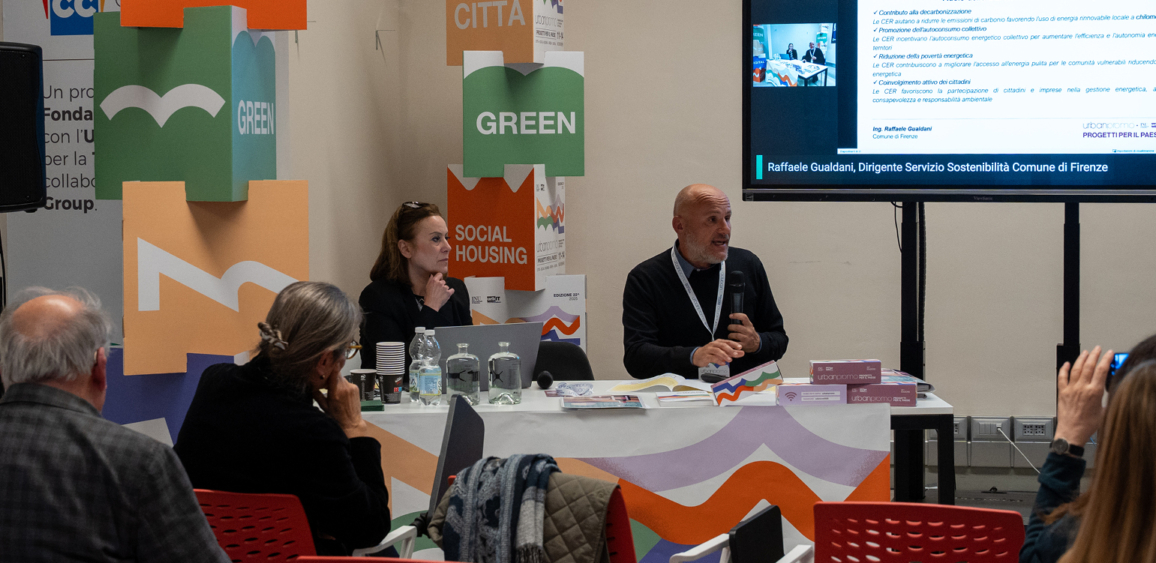
‘Energy communities and the CER project – Renewable Energy Communities in the Municipality of Florence’
Raffaele Gualdani, Head of Sustainability Services, Municipality of Florence
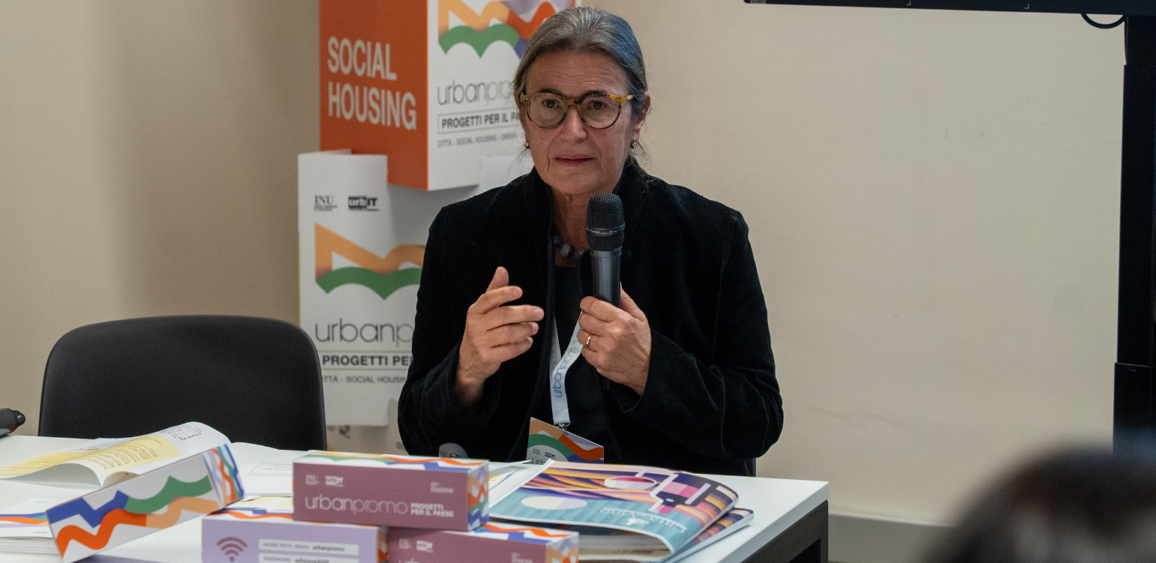
‘“Digital wine”. What space for the territory?’
Matelda Reho, IUAV University of Venice
‘The Food Charter of the Wine Cities: ten requirements for developing agricultural and food planning strategies in the Wine Cities’
Davide Marino, University of Molise
Moderator
Iole Piscolla, Head of Tourism, Special Projects and Promotion, National Association of Wine Cities (ANCV)
Debate
18:30 Closing remarks
Italiano