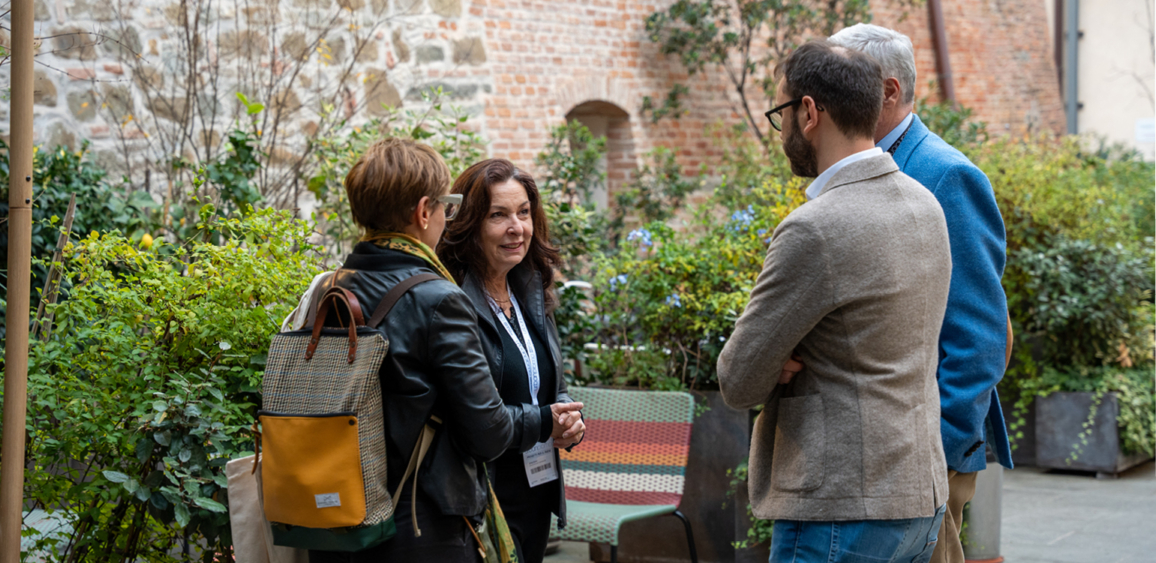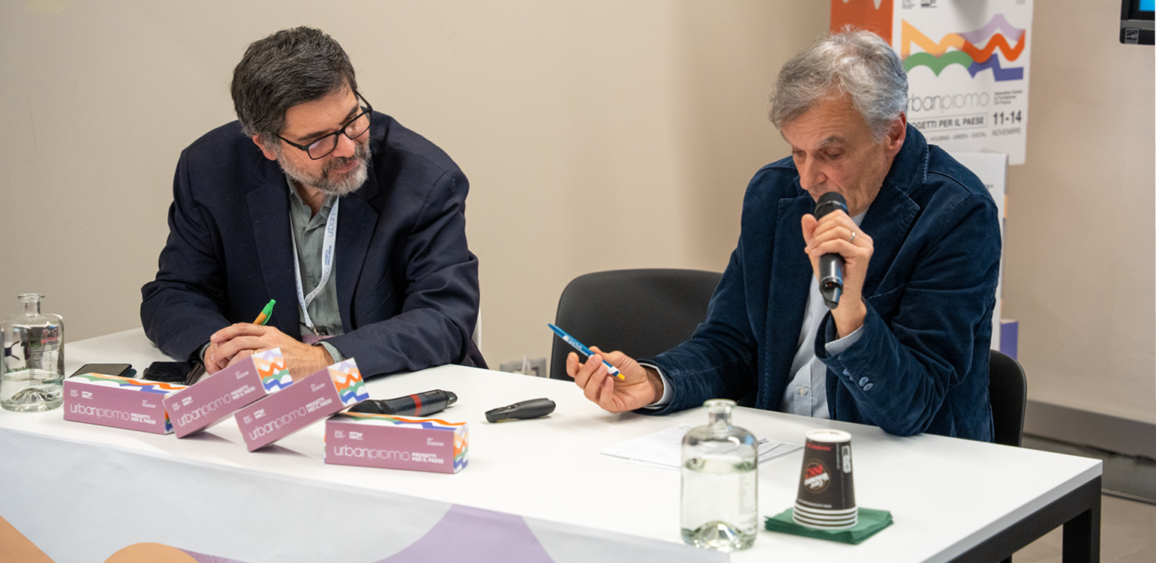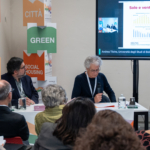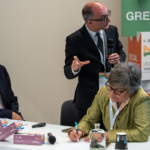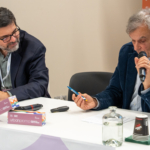
Giovanni Fini, URBIT, Stefano Stanghellini, INU
The European Green Deal strategies launched in 2019 and some subsequent legislative acts such as REPowerEU, approved in 2022 in response to the energy crisis linked to the war in Ukraine, have strongly driven the energy transition and decarbonisation processes already underway.
In 2024, the European Union achieved an incredible milestone: approximately 47.4% of net electricity generated came from renewable sources.
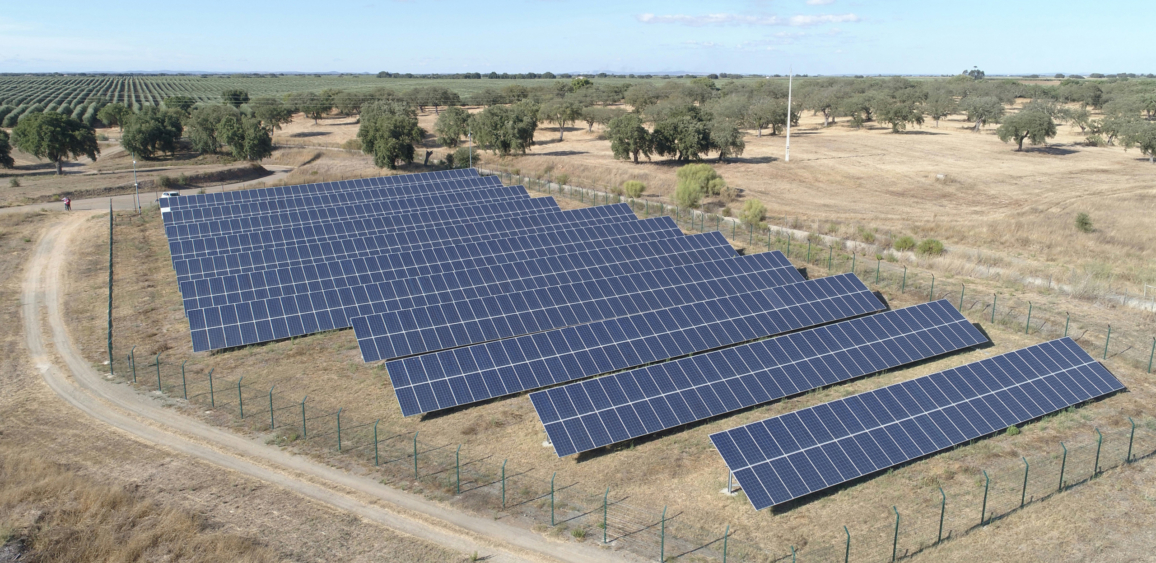
The new energy models are based on widespread energy production and different distribution methods, with direct repercussions not only on land use and the landscape but also on local economies. The conversion of agricultural areas into areas for energy production with photovoltaic systems is the most striking example of this phenomenon.
In Italy, recent years have seen an acceleration in legislation towards the general simplification of permits for installations. This has led to a significant weakening of the planning powers of local authorities in favour of national-level planning and less regulation of interventions.
One example is Order No. 4298/14 November 2024, in which the Council of State decided to suspend Article 7, paragraph 2, letter c) of the Ministerial Decree of 21 June 2024, i.e. the provision that gave the Regions the power to exclude certain areas from the “suitable” areas (already identified at state level by Article 20, paragraph 8 of Legislative Decree 199/2021).
Local authorities, banking foundations and many other local actors are, on the other hand, active participants in the transition, with the aim of making communities protagonists rather than victims of these transformations towards a sustainable economy that is fair and inclusive for all, particularly for the most vulnerable workers, communities and sectors. Planning and governance are the tools available to communities to achieve these objectives.
This is the theme that the conference aims to explore, touching on some local examples that may be of interest and inspiration for their replicability. The first part of the conference explores the theme of energy production and regeneration on a large scale, while the second part focuses on the theme of social and community impacts.
PROGRAM
09:30 Start of work
Part One
Territories in transition
Introduces and moderates
Giovanni Fini, Urbit, Head of the Environmental and Territorial Protection Sector, Municipality of Cesena
“European strategies and energy transition: the impact of the Green Deal on territories”
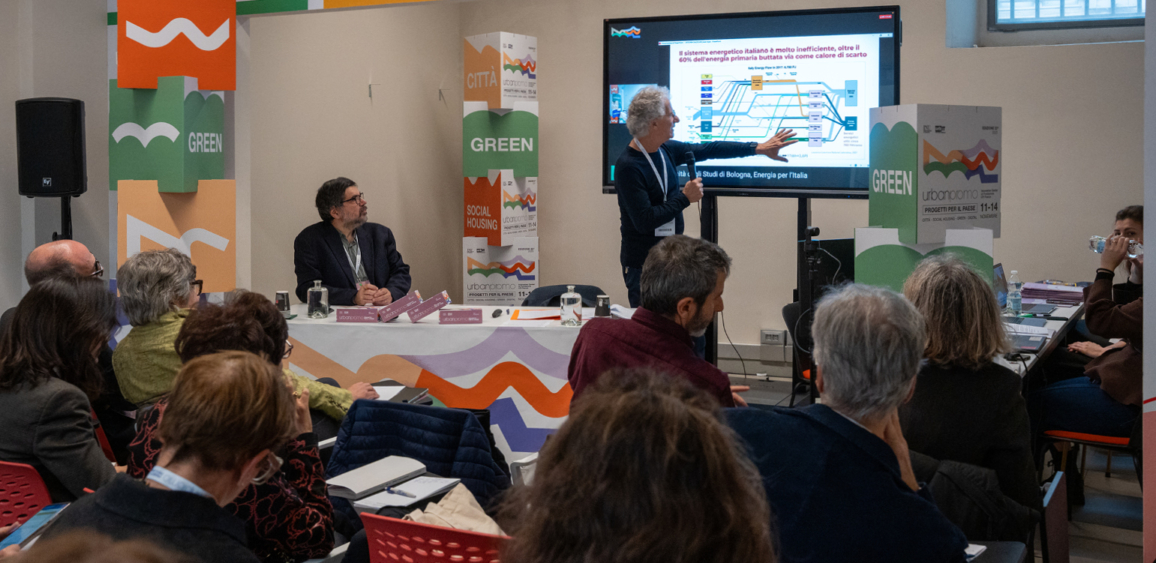
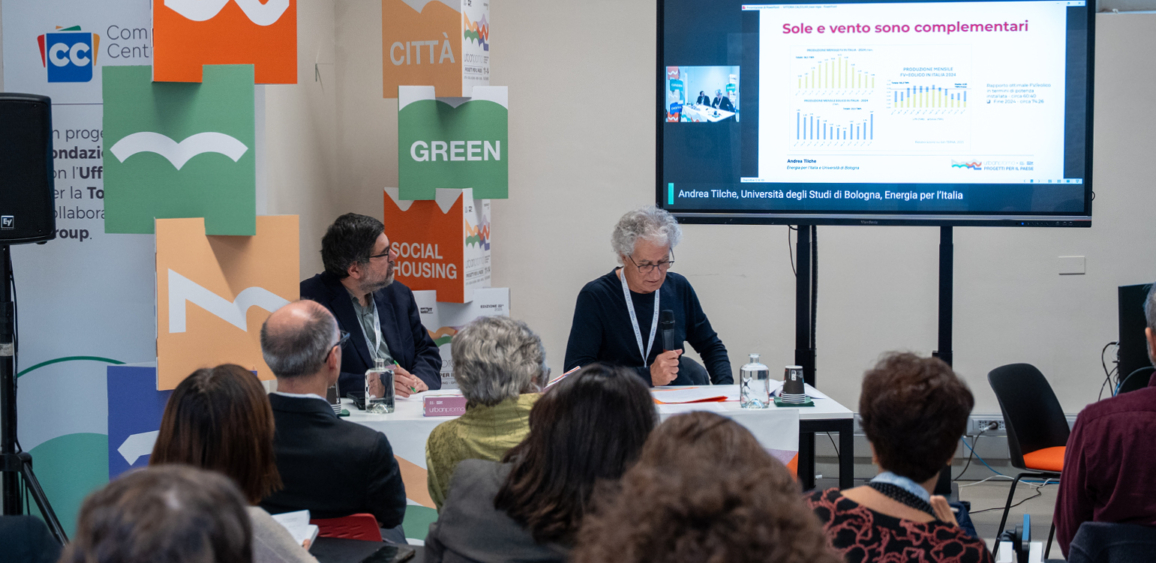
Andrea Tilche, University of Bologna, Energy for Italy
“National strategies for decarbonisation”
Benedetta Brighenti, General Director RENAEL
They intervene
“Renewables and Landscape: Regulatory Evolution, Risks and Opportunities. The case of Sardinia”
Alessandra Casu, INU Sardinia, University of Sassari
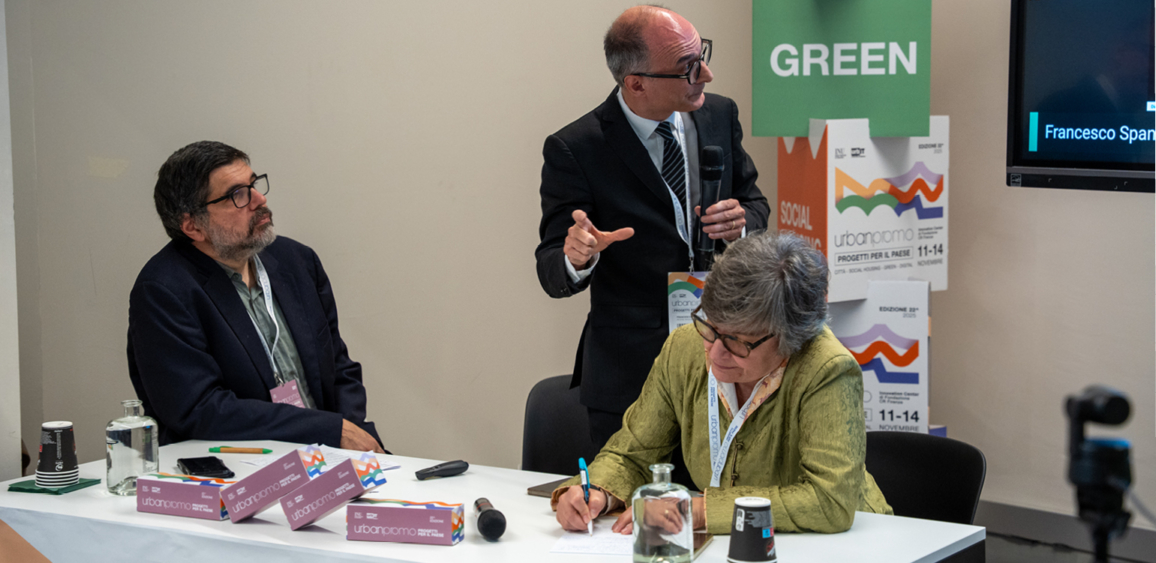
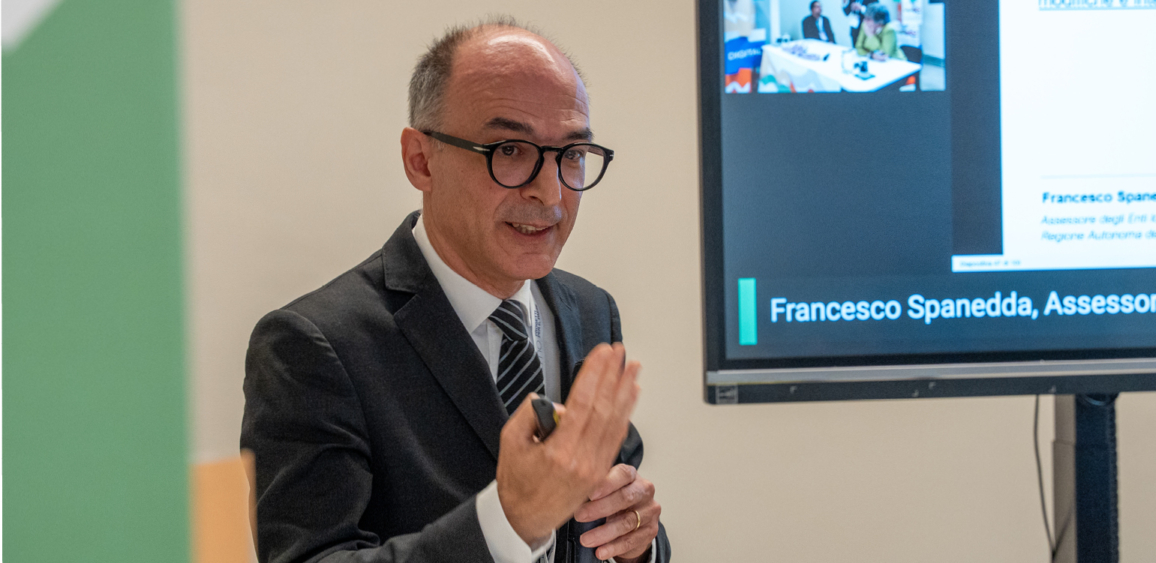
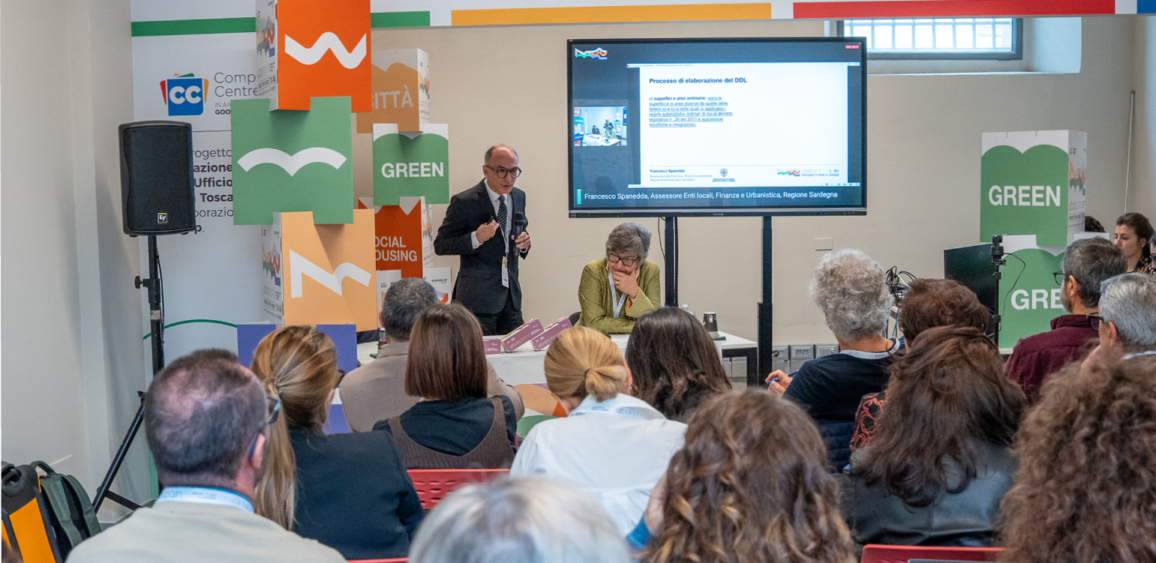
Francesco Spanedda, Councilor for Local Authorities, Finance and Urban Planning, Sardinia Region
Contact Superintendence for the PNRR*
“Renewables and Landscape: Social and Economic Impacts. Puglia’s Case.”
Francesca Calace, INU Puglia, Polytechnic of Bari
Alessandro Bonifazi, Polytechnic of Bari
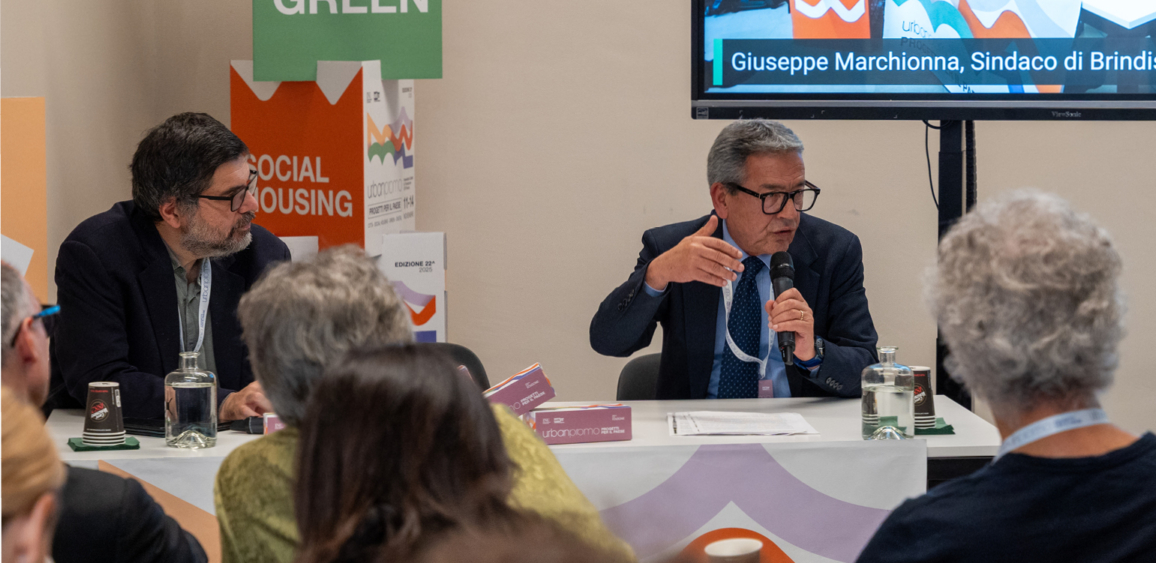
Giuseppe Marchionna, Mayor of Brindisi
“Renewables and Landscape: Protecting the Historic Landscape. The case of Tuscany”
Camilla Cerrina Feroni, President of INU Tuscany
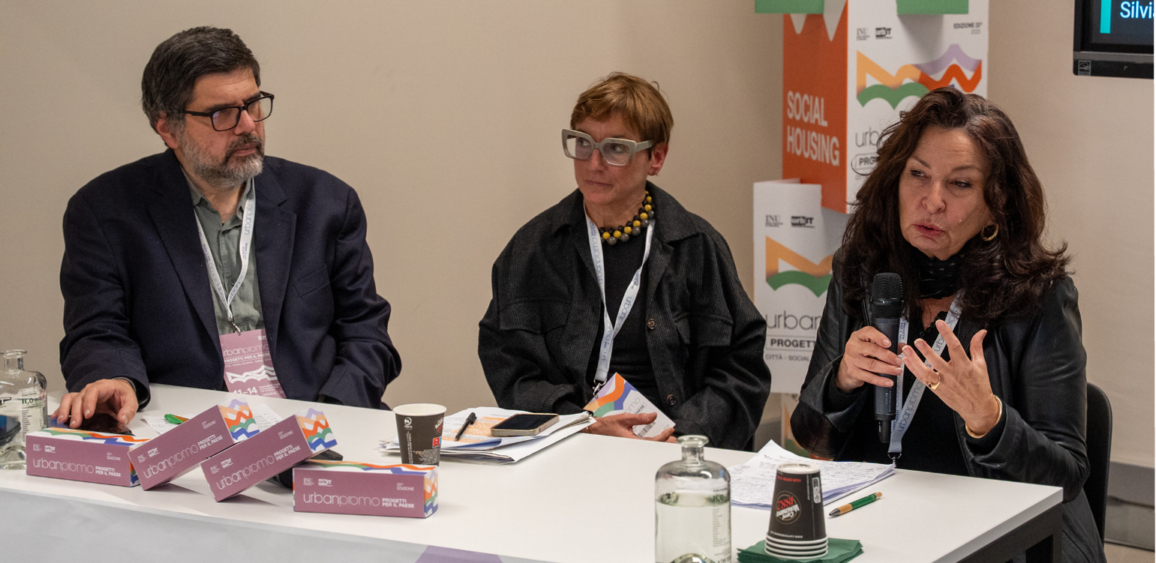
Silvia Viviani, ANCI Tuscany, Councilor for Urban Planning and Environment, Municipality of Livorno
Edoardo Prestanti, City of Wine, Mayor of Carmignano
“The New Frontier of Agrivoltaics”
Alessandra Scognamiglio, President of AIAS Italian Association of Sustainable Agrivoltaic
“Energy infrastructure vs local communities: the energy transition in the mountain area”
Maurizio Tomazzoni, INU Trentino
1.30pm Suspension of work
*pending confirmation
Italiano