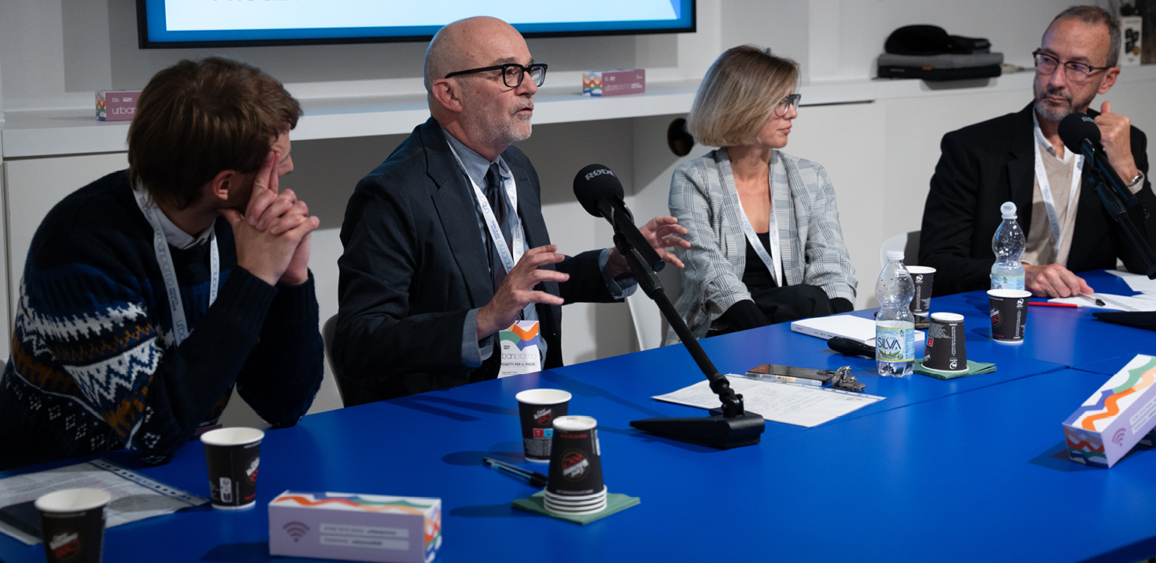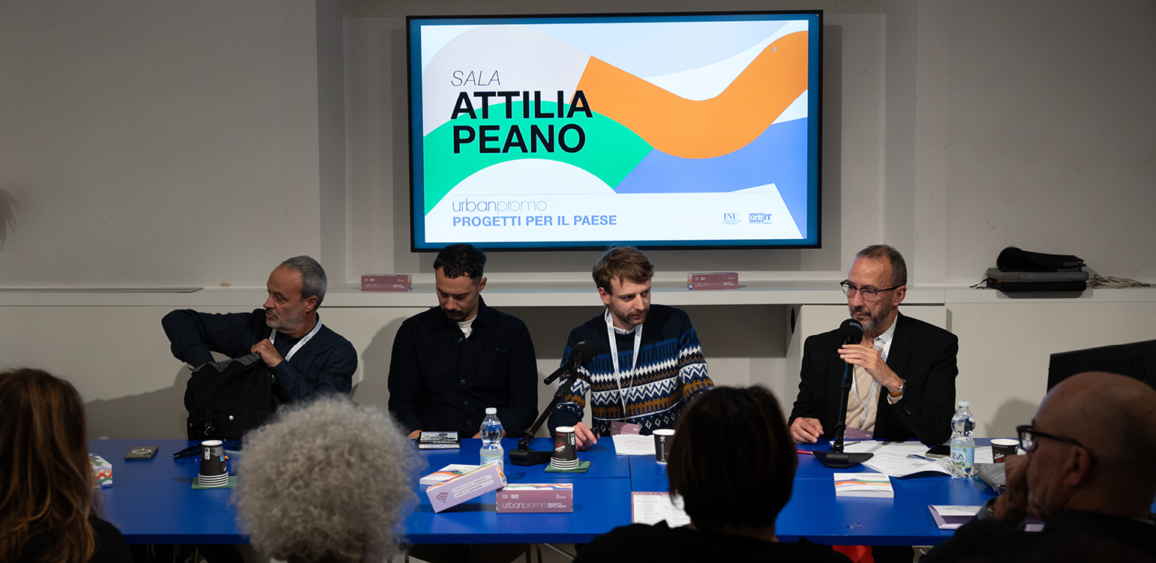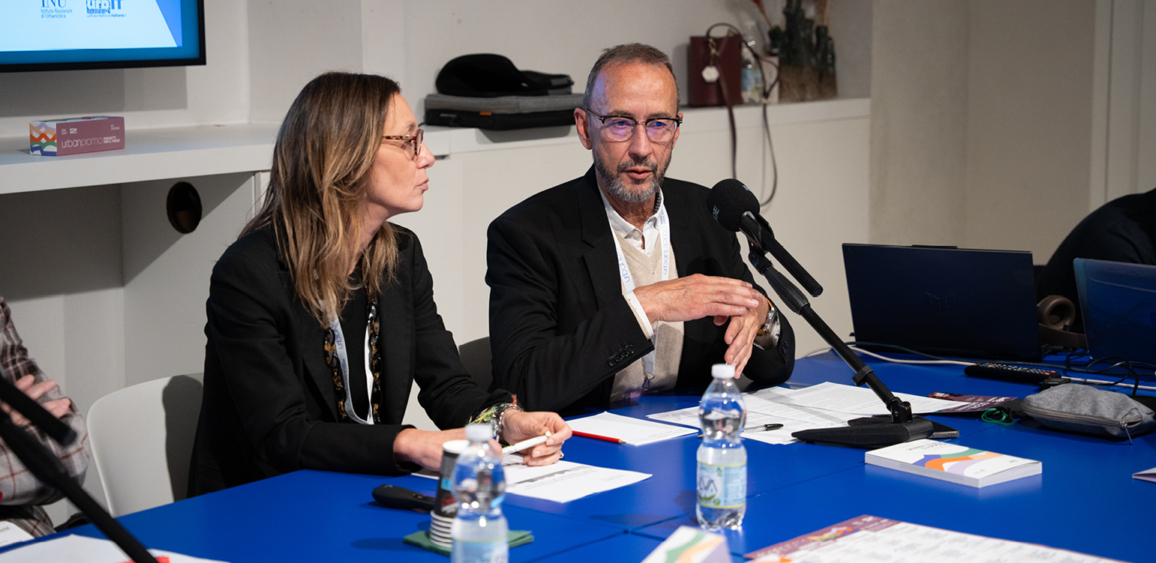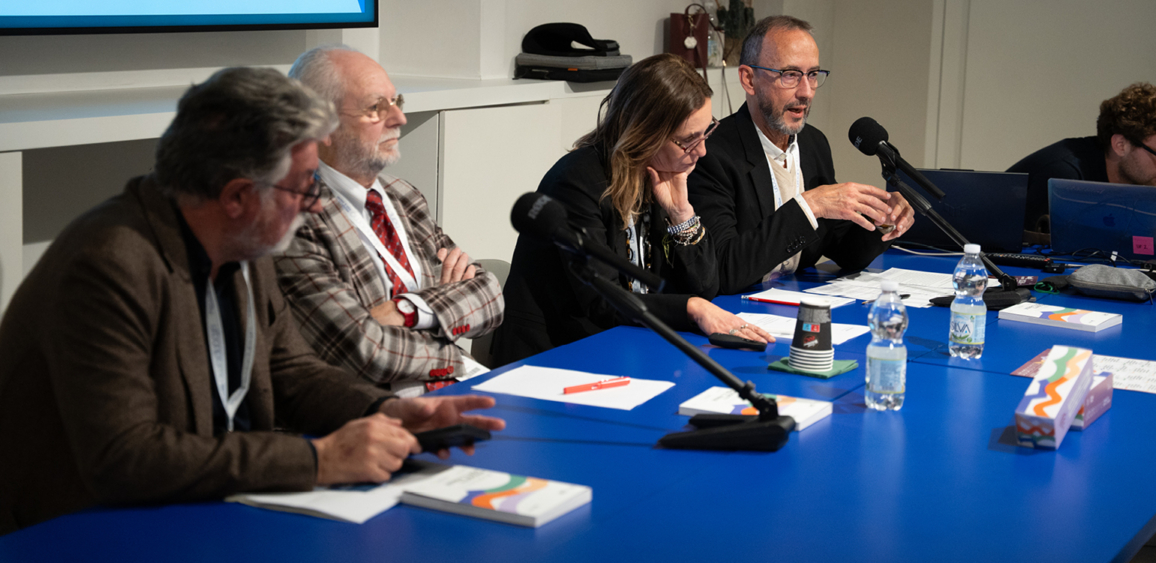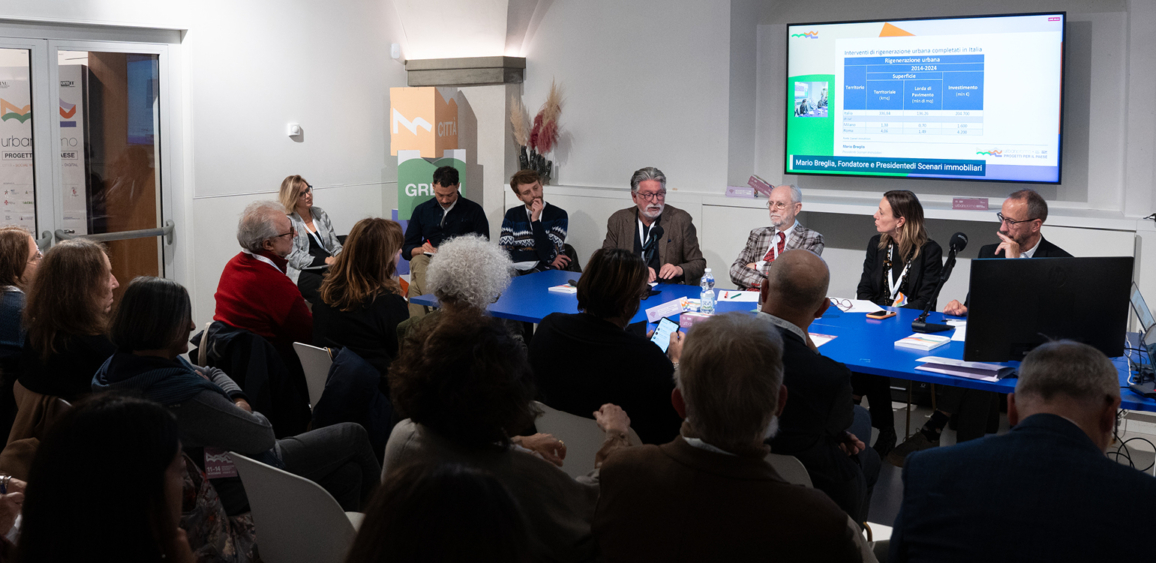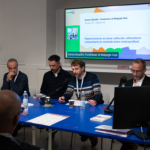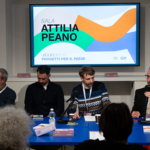
Chiara Agnoletti and Paolo Pinarelli, INU Toscana
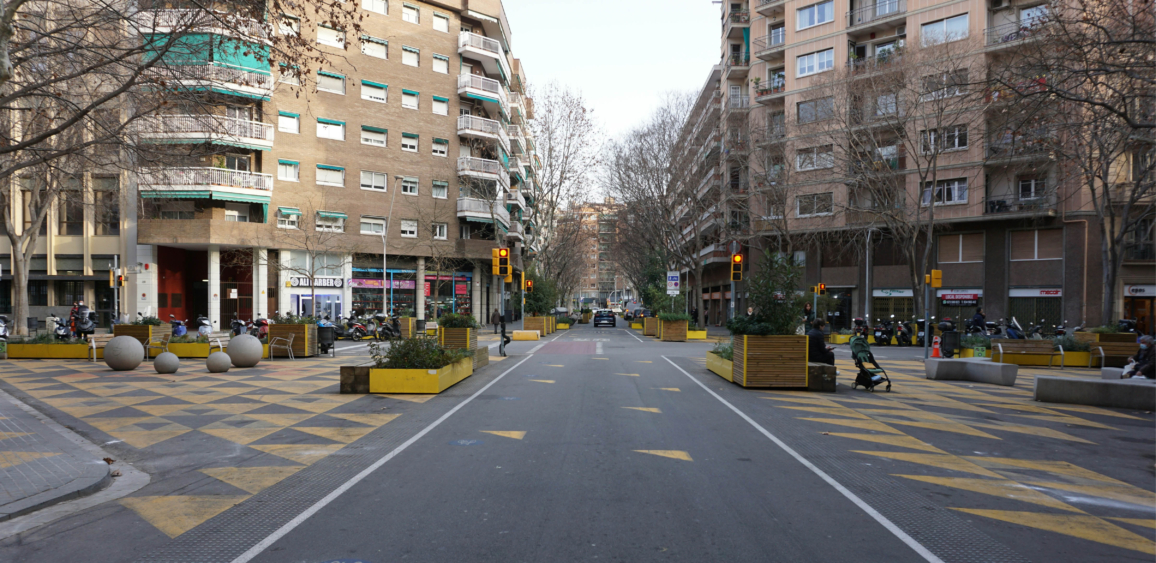
The city’s main transformation opportunities today are concentrated around urban regeneration interventions. This is a complex process affecting often degraded areas, with the aim of improving the quality of life, stimulating economic development and enhancing the historical, cultural and environmental heritage of cities.
Urban regeneration represents a complex and multidisciplinary policy which, on an operational level, can include a vast range of interventions: on the one hand, those of a building-urban planning nature, such as the recovery and redevelopment of the existing building heritage, the creation of new equipment and infrastructure aimed at improving housing conditions and the overall liveability of urban spaces, on the other hand, interventions aimed at encouraging the social reappropriation of the degraded urban fabric.
However, these interventions are not free from critical issues. The main risk is represented by gentrification, or the process through which the increase in real estate value resulting from urban valorization can lead to the expulsion of historic residents, replaced by wealthier social groups. E’ a dynamic which, if not properly governed, can compromise the social and identity balance of the territories concerned.
In urban as well as territorial settings, regeneration can only be said to be such if it manages to balance the legitimate needs for transformation with the principles of social inclusion, protection of local identity and environmental sustainability. For this reason, it appears increasingly urgent to develop critical reflections, methodological tools and conceptual frameworks capable of analyzing in depth both the opportunities and risks associated with regeneration processes.
PROGRAM
14:30 Start of work
Skins
Chiara Agnoletti, INU Tuscany
Moderate
Paolo Pinarelli, INU Tuscany
They intervene
“From regeneration to urban de-generation. Risks and opportunities for today’s cities”
Chiara Agnoletti, INU Tuscany
“Alpha cities and beta cities: the dynamics of real estate investments in Italy”
Mario Breglia, Founder and President of Scenari real estate
“The Milanese case: lights and shadows of urban densification”
Marco Engel, President of INU Lombardy
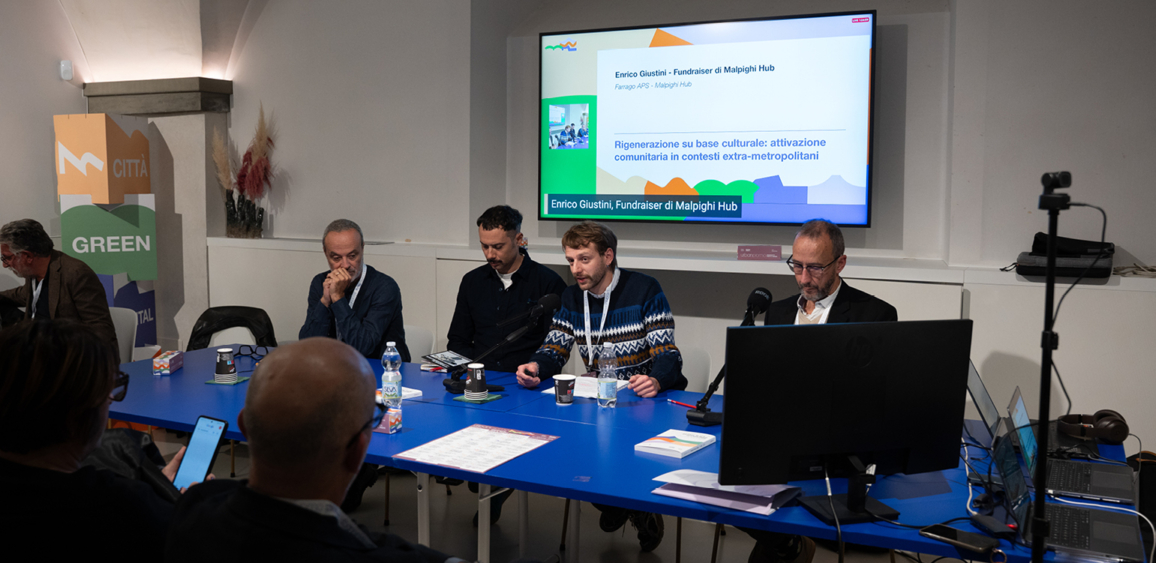
“Regeneration on a cultural basis: community activation in extra-metropolitan contexts”
Enrico Giustini, Fundraiser of Malpighi Hub
“Social impact regeneration for a more inclusive city: transitory uses and social real estate”
Riccardo Luciani, Head of the Urban Regeneration area of LAMA Impresa Sociale
“Regeneration “involuntary”: industrial recovery interventions in small communities”
Fabio Barluzzi, Partner of MetroOffice Architetti Firenze
“Impact assessment: measuring the objectives and effects of regeneration”
Lavinia Pastore, Researcher at the Department of Economic-Corporate Sciences of the University of Milan Bicocca – Milan Founder of Open Impact
“From land rent to urban value: investing in human capital”
Giancarlo Corò, Full Professor at the Department of Economics, Ca’ Foscari University – Venice
Conclusions
18:30 Closing of the works
Italiano