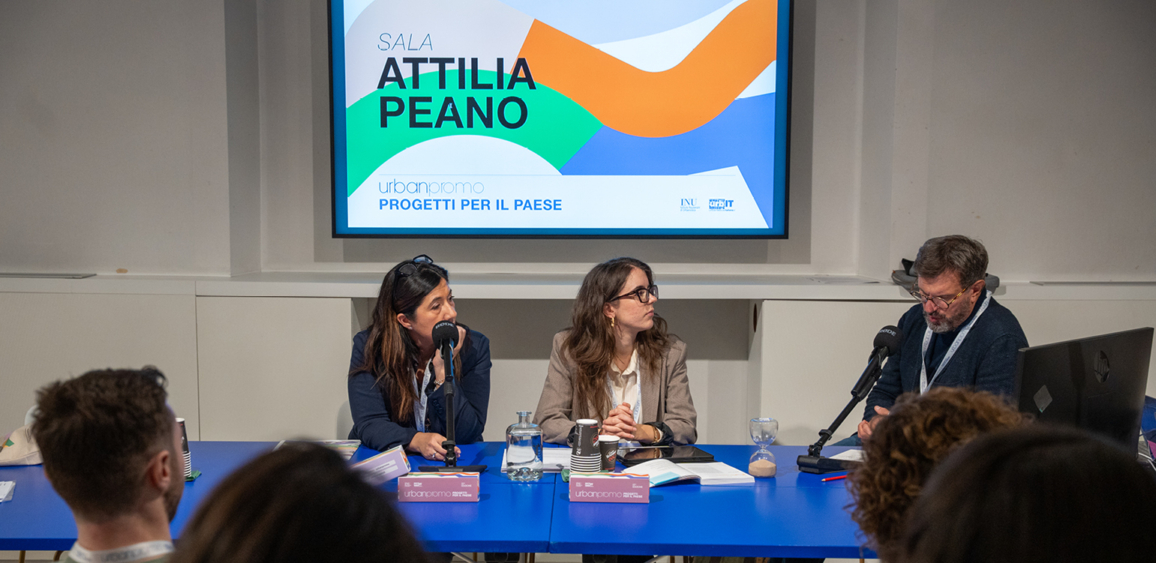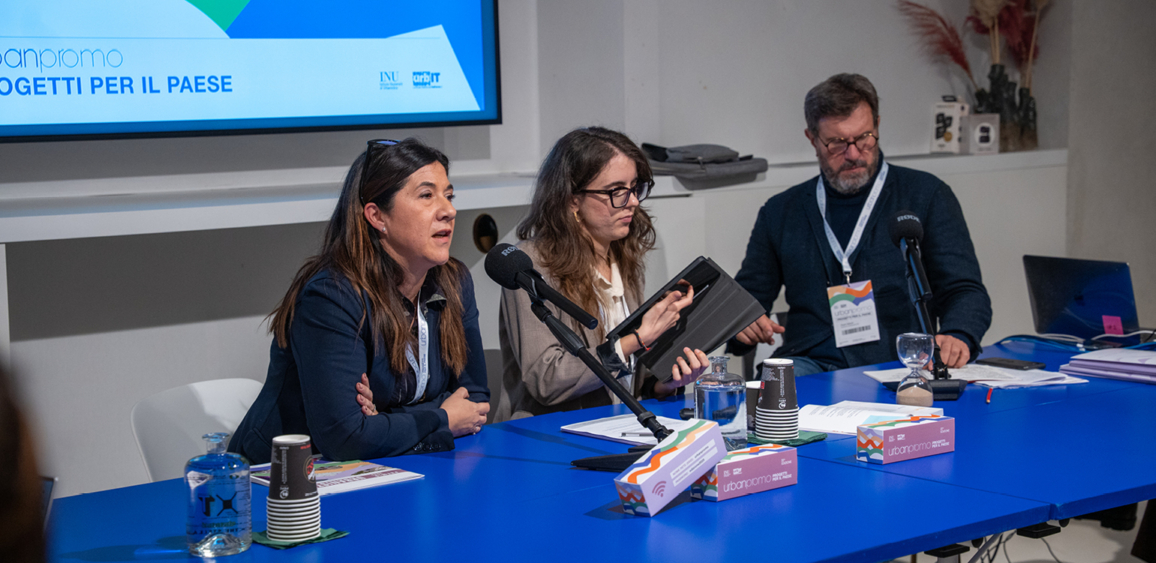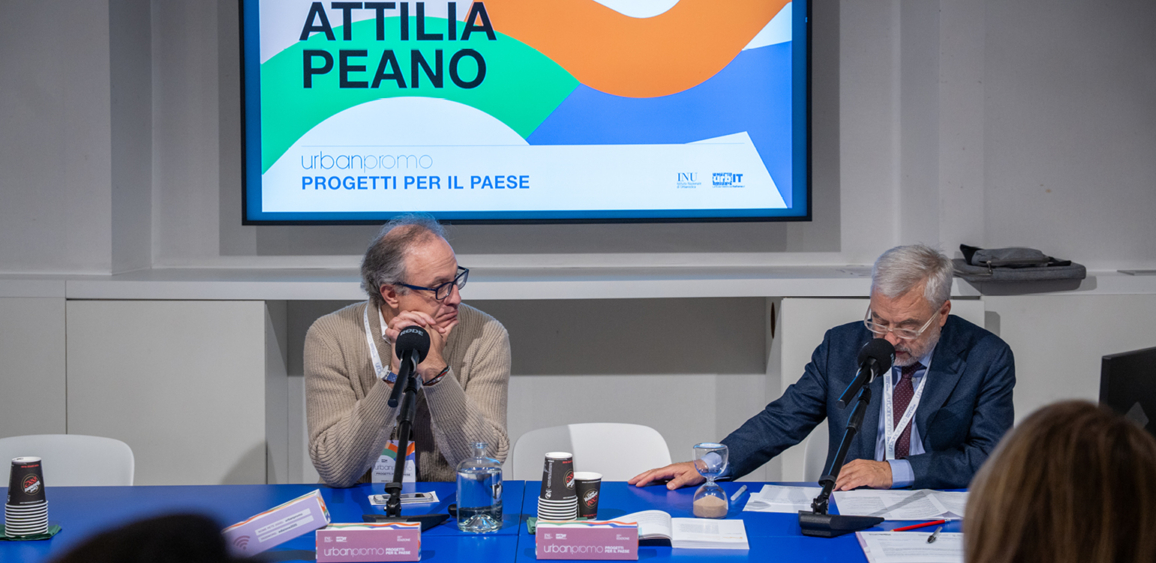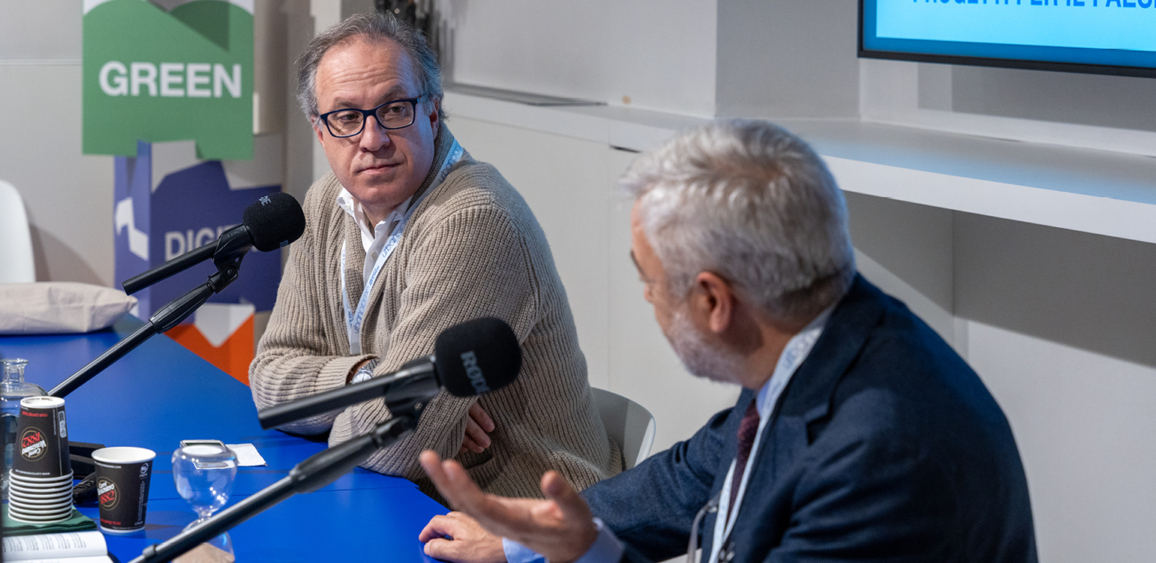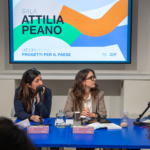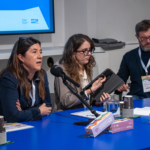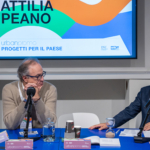
Giuseppe De Luca, Carlo Pisano, INU – URBIT
MAKING SPACE_GIVING SPACE: two actions that summarize the challenges of contemporary urban planning. MAKING SPACE means opening up margins for maneuver beyond the rigidity of traditional plans. GIVING SPACE means recognizing new actors, practices and forms of governance. The 2025 international conference starts from this double tension to question the future of planning in a context marked by environmental crises, social transformations and territorial emergencies. The conference invites us to reflect on three key issues: how to make space, that is, which tools and approaches can make planning more adaptive; who occupies the space, exploring the role of institutions, collectives, communities and grassroots initiatives; what mechanisms regulate the space, to understand how to balance flexibility and norms, innovation and responsibility. The aim is to open a discussion between scholars, administrators and professionals about capable experiences, theories and practices
to regenerate the relationship between plan and city. MAKING SPACE_ GIVING SPACE thus becomes not only a research topic, but a common horizon for rethinking the governance of the territory, building new possibilities for action and spatial justice.
PROGRAM
Part One
Skins
Carlo Pisano, University of Florence
09:30 – 11:15 First session
How to make space?
Moderate
Paolo Galuzzi, University of Rome La Sapienza
“Planning without a plan: the adaptive transformation of a rural village through waterfall projects. Valentano’s case”
Stefano Bigiotti, Municipality of Valentano
“From the principle of conformity to the principle of coherence: an opportunity for new practices and projects?”
Pierpaolo Cicconi, University of Camerino Elio Trusiani, University of Rome La Sapienza
“The form of the useful plan. Functions, tools and drawings to plan the contemporary city”
Laura Di Fiandra, Marika Fior, Paolo Galuzzi, University of Rome La Sapienza
“Beyond planning: Project Unit as a new model of urban governance for complex territories”
Manzini Ceinar Irene, Mattioli Francesca, Municipality of Reggio Emilia
“Optimal Areas and Unions of Municipalities. Challenges and Prospects for intermunicipal planning in Tuscany and Piedmont”
Carmela Mariano, Chiara Filicetti, University of Rome La Sapienza
11:45 am – 1:30 pm
Second session
Who occupies the space?
Moderate
Giuseppe De Luca, University of Florence
“The urban space of migratory phenomena. An experience in the Agro Pontino”
Andrea Iacomoni, University of Rome La Sapienza
“Transdisciplinary planning and research through the project: the case of Valdaone (TN)”
Teresa Pedretti, Alessandro Busana, Partner Campomarzio
Letizia Bollini, Free University of Bolzano
“Climate adaptation changes urban space and policies”
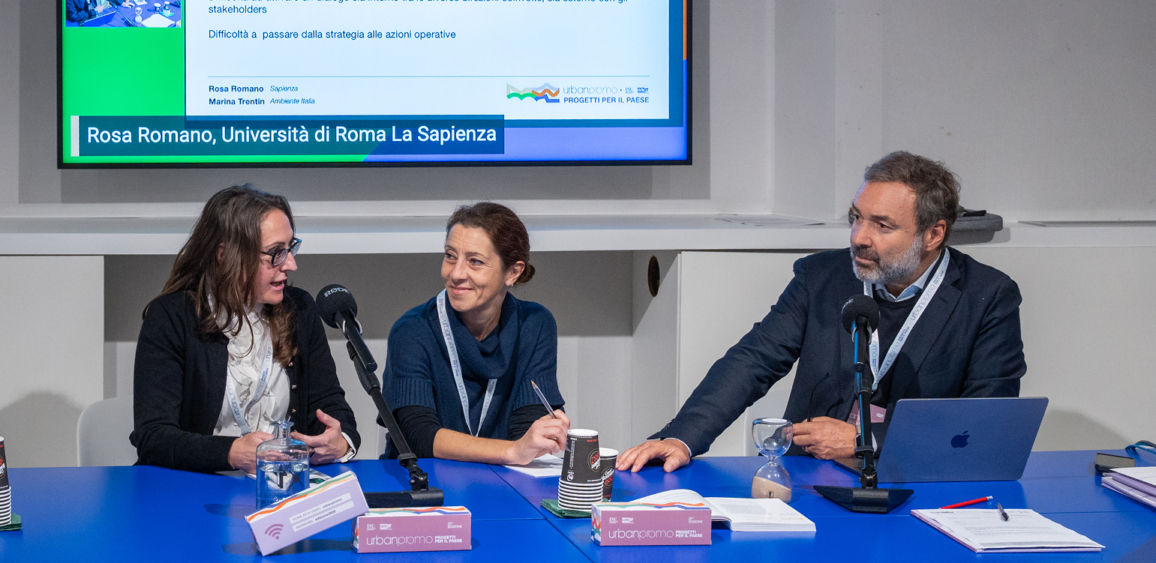
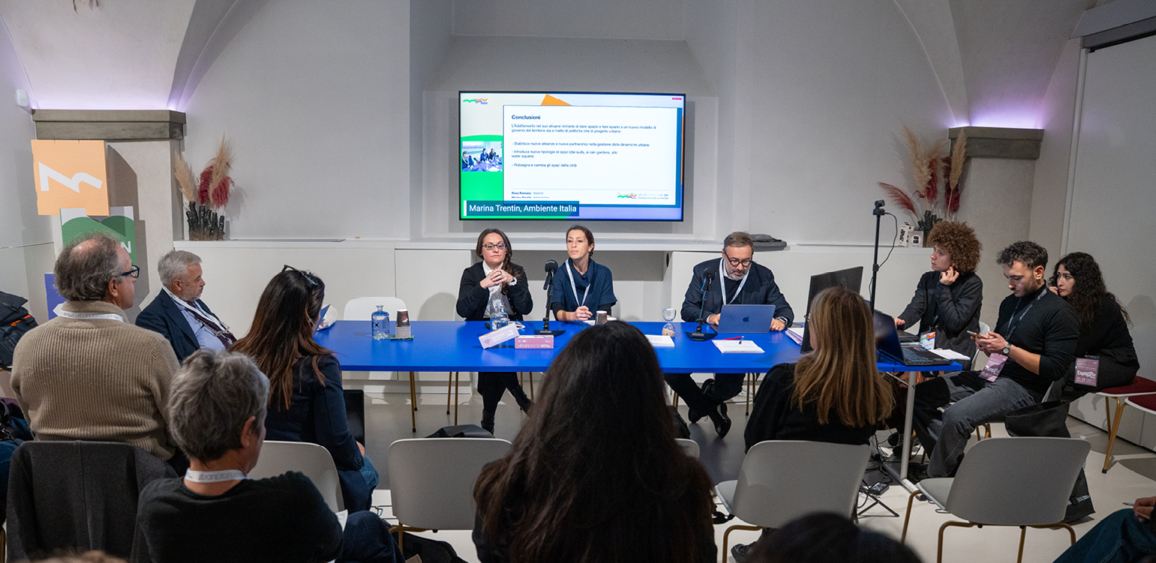
Rosa Romano, University of Rome La Sapienza
Marina Trentin, Environment Italy
“Making Space in Piazza Emilia. Critical reflections on a participatory process between urban forestation and collective reappropriation practices in the Barco district of Ferrara”
Caterina Rondina, Doroty Brancaccio, University of Ferrara
“Adaptive Urban Space or Inhabiting the ‘Third’ Environment. An ethnographic approach for the Casal Bertone neighborhood”
Francesca Rossi, Mahtab Seyedabadib, University of Rome La Sapienza
Italiano