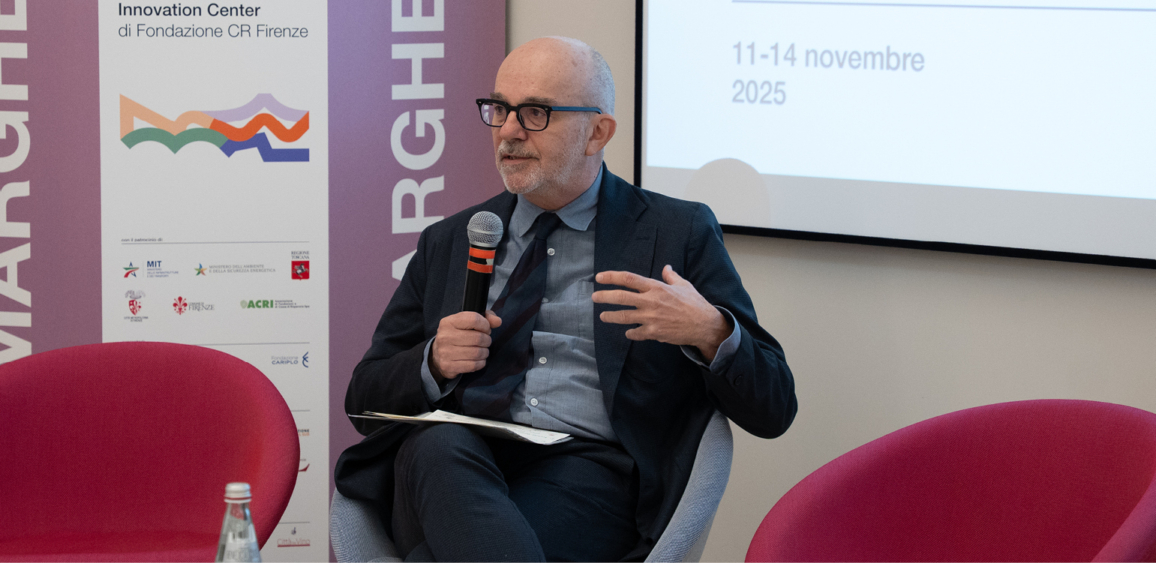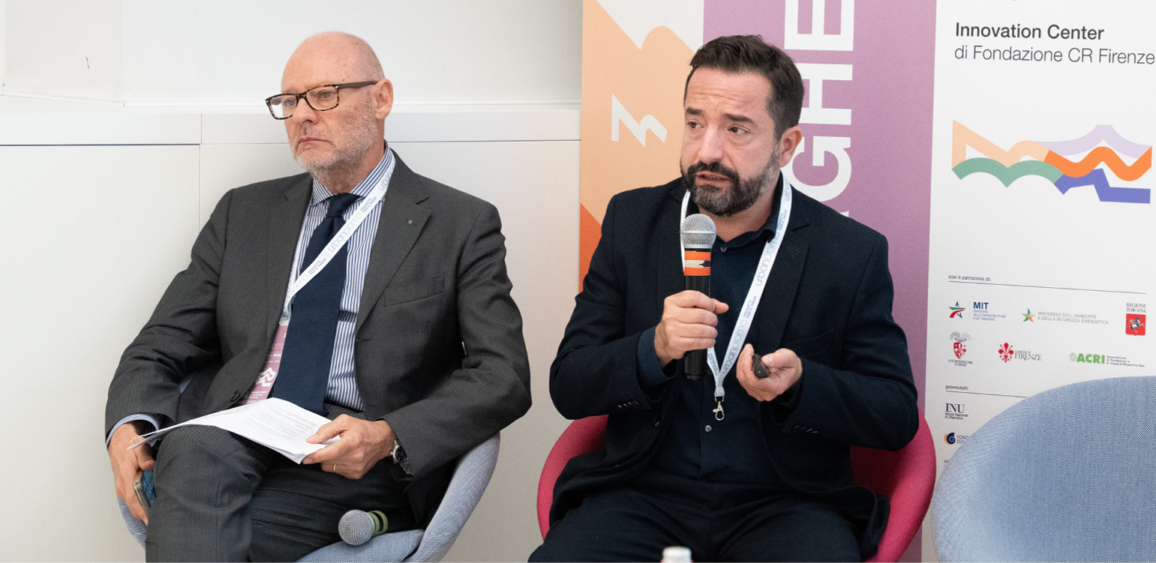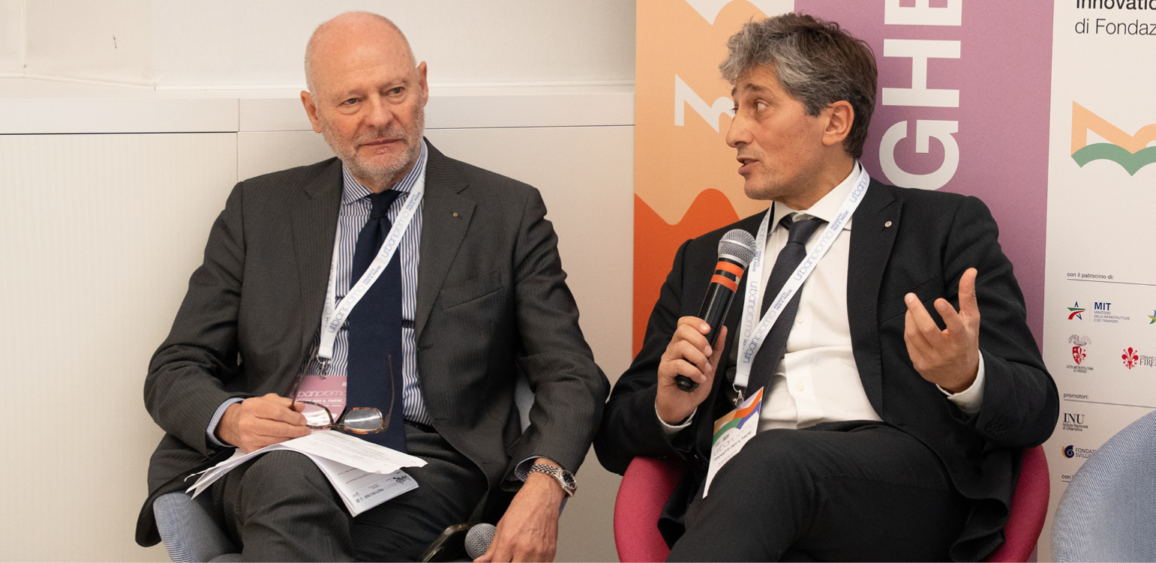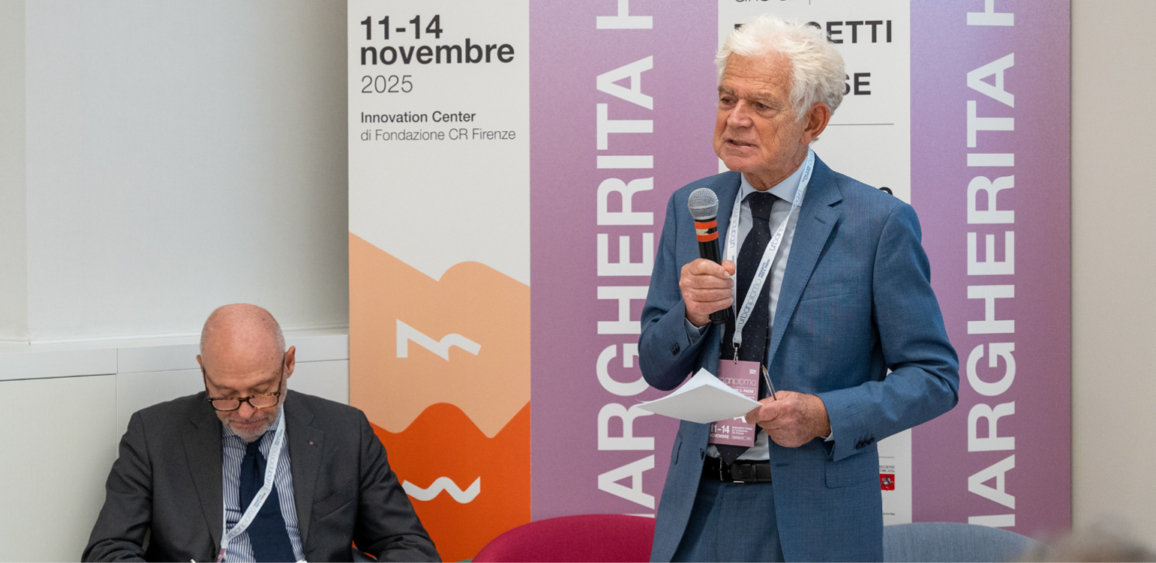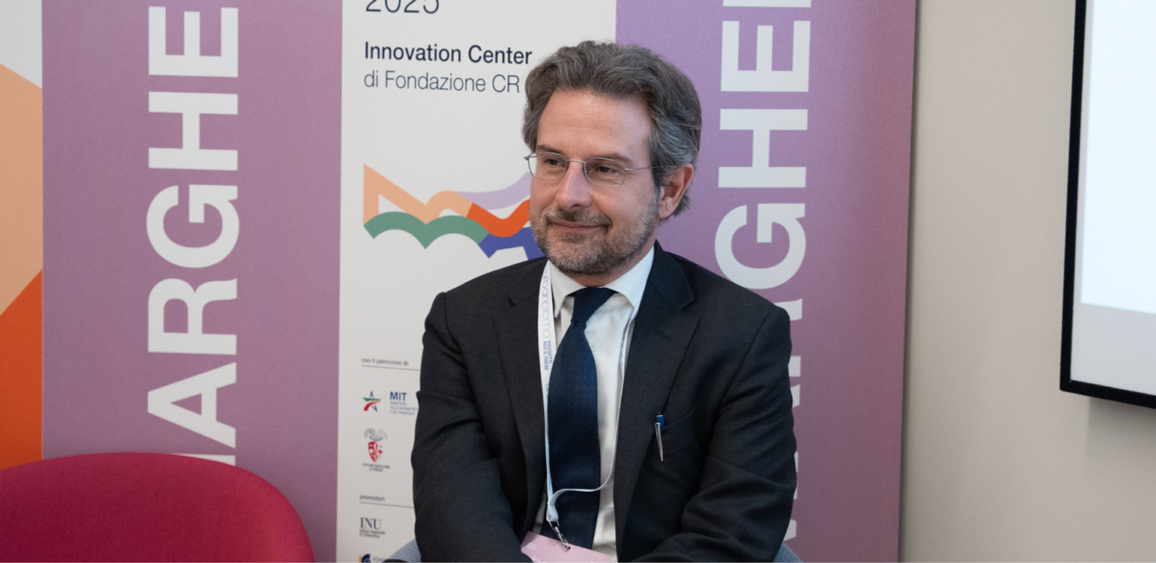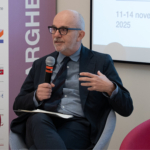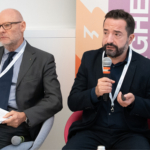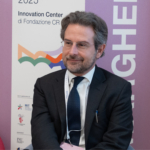

Stefano Stanghellini, INU – URBIT, Elio Morino, INU – URBIT
The construction of a national ecosystem of technological innovation is now an objective pursued for many years both by the PA, central and local, with the most recent initiatives of the Pnrr, and by private entities, industrial companies, foundations of banking origin as investors with patient capital. Activation arrangements increasingly make use of public-private partnership, committing EU resources, private investment, private equity funds.
A widespread form for the realization of these objectives are technopoles (unitary structures or infrastructure networks), places characterized by the productive and technological development of companies, thanks to the support of the scientific research activities of universities and the industrial and advanced tertiary world, with important technology transfer activities, field training, with support and mentoring actions for the innovative role of start-ups on an international horizon.
The objective of the seminar is to share some of the most relevant ongoing experiences in the national and international panorama of technopoles, reflecting on the governance models adopted, on the implementation of the themes characterizing their missions, on the objectives pursued and the critical issues detected, with a final evaluation of socio-economic and environmental impacts on the territory and on the reference communities.
In particular, INU is interested in multidisciplinary urbanism with the relationships between the poles and territorial regeneration at the different spatial scales, reflecting on tools and planning choices to accompany development paths that arise from a world of technological innovation that often speaks only of economics and financial rents, in particular on an urban scale, while outside there is depopulation and a loss of values.
PROGRAM
09:30 Start of work
Cheers
Stefano Stanghellini, INU – URBIT
Introduces and moderates
Elio Morino, INU – URBIT
Introductory report
“Innovation territories. From industrial districts to urban complexity.”
Giancarlo Corò, Department of Economics, Cà Foscari University of Venice – CNR
First session
The technopoles
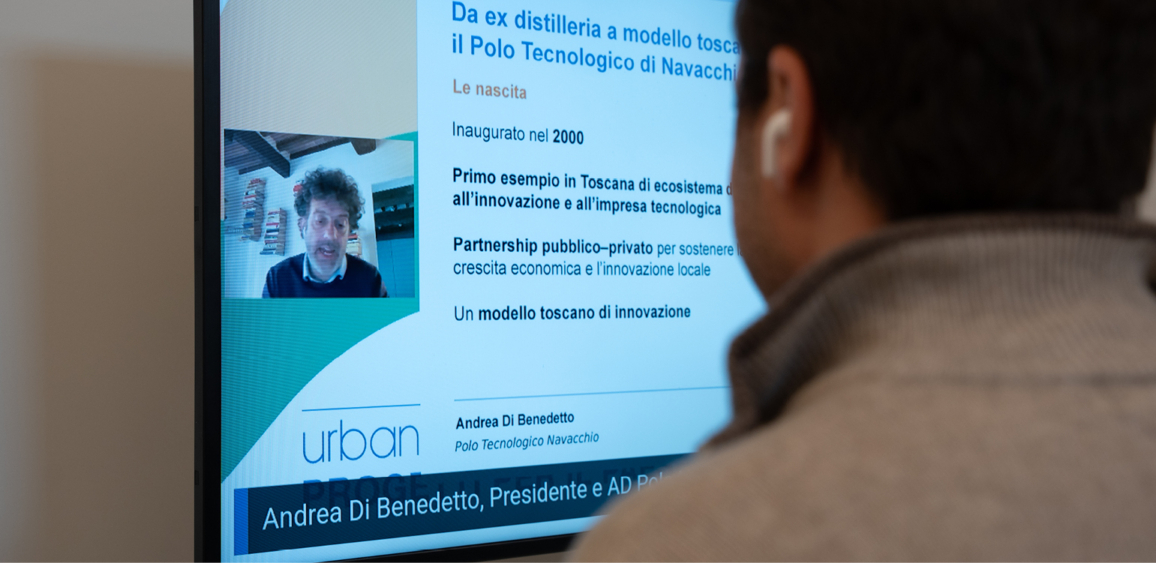
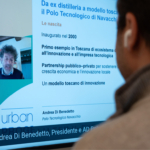
“From a former distillery to a Tuscan model of innovation: the Navacchio Technological Centre”
Andrea Di Benedetto, President and CEO Polo Navacchio, InnovUp Central Italian Ambassador
“Innovation as a lever for sustainable urban regeneration”
Alberto Mina, Director of External Relations and Communication at Principia
“The experience of OGR Torino”
Matteo Pessione, OGR Tech coordinator, CRT Foundation Institutional activity
“Rome Technopole: integrated research infrastructures for innovation”
Sabrina Saccomandi, General Director of the Rome Technopole Foundation
“Mediterranean Technopole, an opportunity for development for the territory”
Lorenzo Ferrara, Board of Directors of the Tecnopolo del Mediterraneo, Taranto
Second session
The CNR System
Introduces and coordinates
Massimo Mari, CNR, Department of Engineering, ICT, Energy and Transport Technologies
Relationships
“The CISC for territorial integration”
Giordana Castelli, CISC Coordinator – Interdepartmental Center for City Science
“Smart cities and small and medium entrepreneurship development”
Nicola Fantini, Board of Directors of the CNR, Coordinator of the Enterprise Europe Network
“Experiences and Challenges in the Development of Urban Built Twins: the Collaboration between CNR-IMATI and START4.0 for the Intelligent City”
Michela Spagnuolo, Director of IMATI – Institute of Applied Mathematics and Information Technologies E. Magenes of the CNR
Giacomo Benedetti, START 4.0 Project Manager of Genoa
Third session
The experiences of the Regions
They intervene
Elisabetta Maini, Head of Research, Innovation, European Networks, Emilia-Romagna Region
Armando de Crinito, Director General of Economic Development, Lombardy Region
Giovanni Amateis, Head of University System, Research and Innovation, Piedmont Region
Debate
Conclusions
Michele Talia, INU President
1.30pm Closing of the works
Italiano