
Francesco Domenico Moccia, URBIT
Among the global dynamics affecting cities and regions are international sporting competitions, which attract powerful economic interests and huge numbers of visitors. Changes to the urban environment are inevitable: some are temporary, while others have more lasting and far-reaching effects, as history has shown, from the Chicago World’s Fair to the Milano Cortina Winter Olympics. Local communities may respond with reactions ranging from scepticism and mistrust to pragmatism and adaptation. Urban planning must therefore explore ways of ensuring that the benefits of such events are maximised in an equitable and sustainable manner.
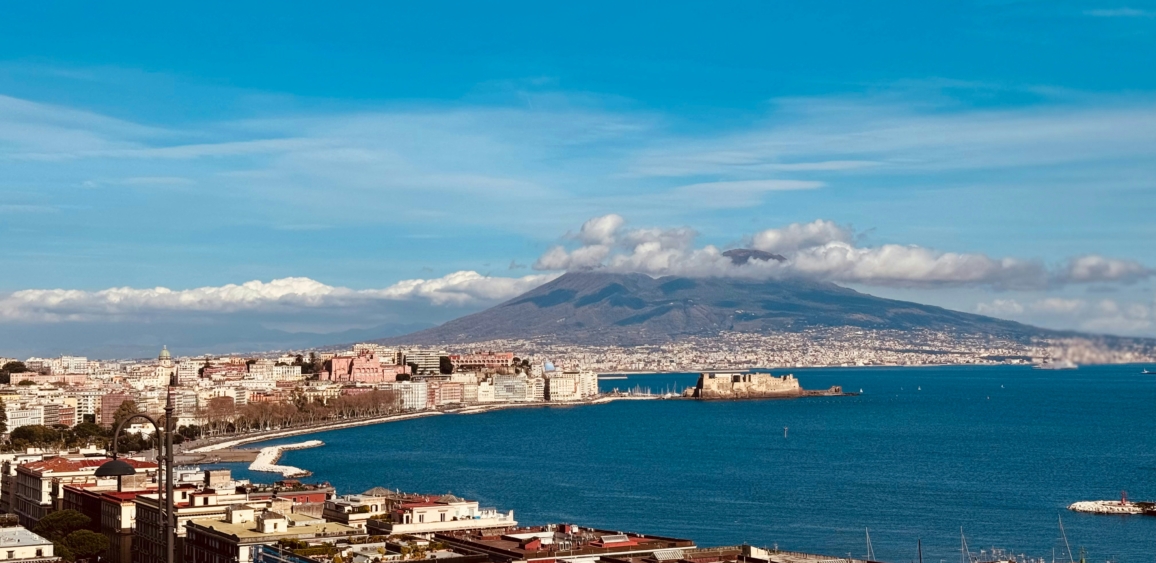
The America’s Cup competitions scheduled to take place in Naples next year provide an opportunity to revisit these issues. Much of the debate has focused on Bagnoli, a former industrial area that has remained disused for three decades. It will host the competing teams, potentially putting an end to a long-standing dispute—which is still ongoing—over the remediation of the area and the future use of its land. From an urban planning perspective, however, the effects of the event extend much further, raising other issues such as the revitalisation of Rione Terra in Pozzuoli, the development of tourist marinas, and the regeneration of the coastline and coastal landscape of the Gulf of Naples. All of these dynamics call for coordinated urban planning and governance.
Italy already has a number of experiences from which lessons can be drawn, based on assessments of the outcomes of previous major events. These experiences can provide valuable insights into how to address the challenges ahead. The aim is to foster the broadest possible exchange of views and experiences.
The program of the event is in development.
Italiano
Contributions