
Giovanni Fini, Stefano Stanghellini, URBIT
The energy transition towards renewable sources represents one of the most significant challenges and opportunities for the future of our territories. Driven by European strategies such as the Green Deal and initiatives such as REPowerEU, decarbonisation is reshaping energy production and distribution models, promoting more decentralised forms of generation.
This transformation brings significant economic and social benefits at the local level, offering communities the opportunity to become active participants in sustainable, equitable and inclusive development.
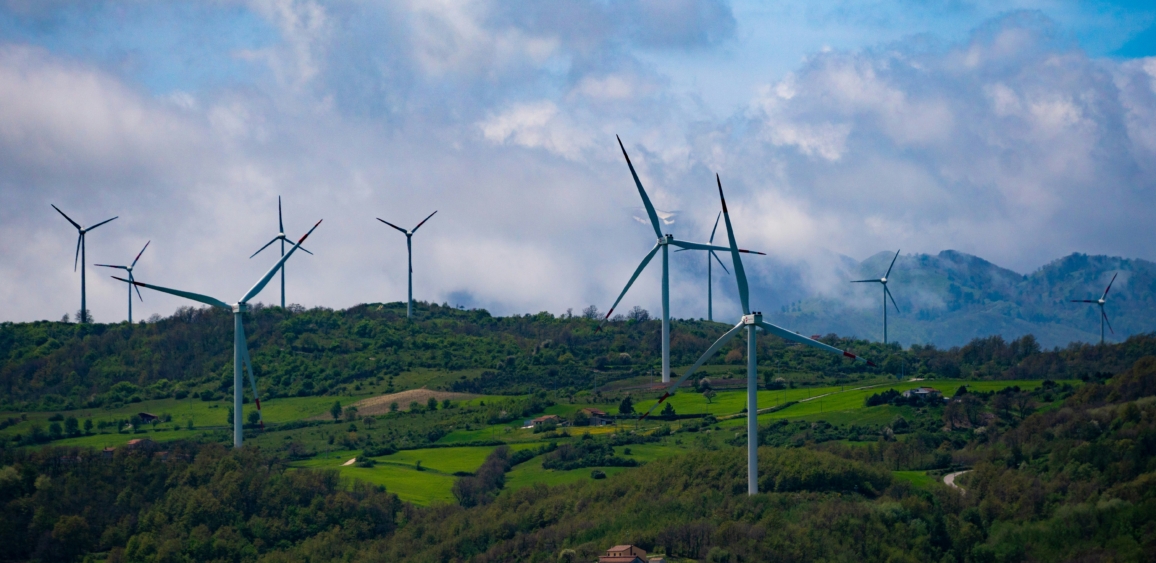
At the same time, the sensitive and crucial issue of integrating energy infrastructure into the landscape remains unresolved. The gradual conversion of agricultural areas and the siting of new energy infrastructure have direct implications for land use and the protection of historic heritage. A recent letter signed by 44 intellectuals and addressed to leading environmental organisations vividly and controversially illustrates this conflict, opening with the provocative question: “Would you burn the Mona Lisa to produce energy?”
Against a backdrop of rapidly evolving and increasingly streamlined regulations, which often weaken the planning powers of local authorities, urban planning and territorial governance remain essential tools for managing physical and social impacts and for pursuing synergies between environmental sustainability and the identity of places.
The program of the event is in development.
Italiano
Contributions